






You know that bag of basil from the grocery store. The one that costs four dollars, looks perky under the fluorescent lights, and turns into a slimy, blackened mess in your fridge by Thursday. You used two leaves. The rest went in the trash. If that cycle sounds painfully familiar, I've got good news.
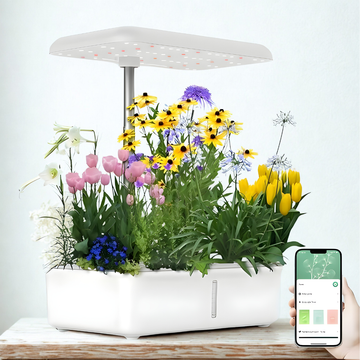
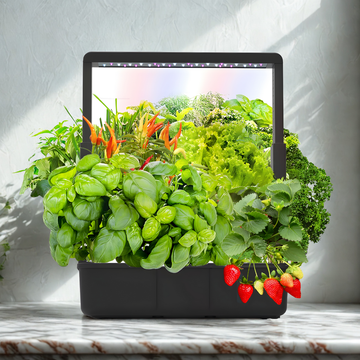
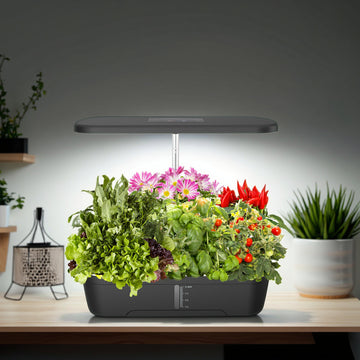
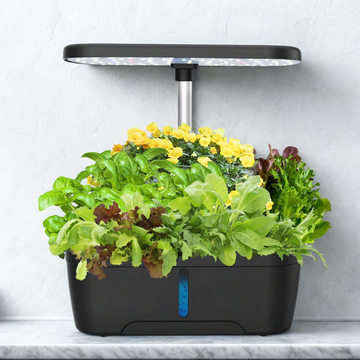
What if you could snip fresh basil, crisp lettuce, even edible flowers, right off your kitchen counter, any day of the week, with zero dirt and zero guesswork? That's the whole point of the HydroPod. No soil to spill, no sunny windowsill to fight over, no green thumb required. The built-in LED grow lights mimic full sun, the recirculating pump keeps roots fed around the clock, and the smart reminder system tells you exactly when to top off nutrients. Basically, the hard part of gardening has already been handled. Your job is just to pick what to grow and watch it happen.
And that's exactly where most beginners get stuck. Not because growing is hard, it's because they pick the wrong plant first. Try to start with a full-size tomato vine or a stubborn root vegetable and you'll spend weeks frustrated over something that was never going to thrive in this system anyway. So I put together ten plants that are basically guaranteed wins. Pick any one of these and you'll be harvesting something real within a few weeks, sometimes days.
Speed demons: for when you want a win fast
Genovese Basil. This is the classic for a reason. Basil wants constant moisture and 14+ hours of light a day, which is exactly what your HydroPod delivers on autopilot. Harvest in as little as 3 to 4 weeks. Pro tip: pinch the top leaves first instead of the outer ones. It forces the plant to branch out and get bushier instead of just growing tall and leggy.
Arugula. Peppery, fast, and almost impossible to mess up. Arugula germinates quickly and loves the steady moisture of a recirculating system, since dry spells are what make it turn bitter. You'll be tossing it into salads in about 3 weeks. Pro tip: harvest the outer leaves and let the center keep producing. One seed pod, salad after salad.
Radishes. Yes, radishes in a hydroponic system. The compact varieties do surprisingly well since they don't need deep soil to bulb up, just consistent water and light, both of which the HydroPod handles without you lifting a finger. You'll have crunchy, peppery radishes in about 3 to 4 weeks. Pro tip: thin your seedlings early so each root has room to swell.
Cut-and-come-again kings: the gift that keeps giving
Butterhead Lettuce. Soft, buttery leaves that practically melt in a sandwich. Lettuce is built for hydroponics, shallow roots, constant hydration, no need to fight through packed soil. Start harvesting outer leaves around week 3, and the plant keeps producing for weeks after that. Pro tip: never take the whole head at once. Harvest from the outside in and it'll keep growing back.
Kale. Sturdy, nutrient-dense, and honestly one of the most forgiving plants you can grow. It loves the steady nutrient dosing your HydroPod provides, since inconsistent feeding is usually what makes kale turn tough and bitter. First harvest around week 4, then keep clipping for months. Pro tip: pick a few leaves from each plant rather than stripping one plant bare.
Swiss Chard. This one earns its keep on looks alone, with stems in red, gold, and white that practically glow under the full-spectrum LEDs. It thrives on the same constant moisture and light cycle as kale. Expect your first harvest around week 4 to 5. Pro tip: rotate which stalks you cut so the plant keeps pushing new growth evenly.
Flavor powerhouses: for the cooks in the room
Mint. Aggressive, fragrant, and absolutely made for a contained system like this, since mint tends to take over anything it touches when planted in the ground. In the HydroPod it just grows fast and stays exactly where you want it. Harvest starts around week 3. Pro tip: pinch it regularly. The more you trim, the bushier and more fragrant it gets.
Thai Basil. Sweeter and more anise-forward than Genovese basil, with a purple-tinged stem that looks as good as it smells. Same light and moisture needs as its Italian cousin, so it thrives right alongside it. Ready in about 3 to 4 weeks. Pro tip: let a few flower buds form before you pinch them off. It boosts the aroma without hurting the harvest.
Dill and Cilantro. I'm grouping these two because they behave alike: fast, feathery, and a little impatient. Both want consistent moisture and steady light, exactly what the recirculating pump and LED lights provide without you having to think about it. Expect a harvest around 3 to 4 weeks for dill, closer to 3 weeks for cilantro. Pro tip: cilantro bolts fast in heat, so keep the pod away from direct kitchen appliance warmth if you want to stretch the harvest window.
The show-offs: compact fruit and flowers
Dwarf Cherry Tomatoes. This is where the HydroPod really shows off. Dwarf varieties are bred to stay compact while still setting real fruit, and the steady nutrient dosing keeps them fed better than most soil setups ever manage. Expect flowers within a few weeks and ripe tomatoes around week 8 to 10. Pro tip: use the built-in trellis the moment the stem starts to lean. Supporting it early means more energy goes into fruit instead of just holding itself up.
Micro Dwarf Peas or Nasturtiums. Peas give you crisp little pods and pretty white flowers in about 6 to 8 weeks, no deep soil required since their root systems stay shallow and efficient. Nasturtiums are the wildcard: bright orange and red edible flowers that look incredible on a plate and add a peppery bite to salads, ready in about 5 to 6 weeks. Pro tip: with nasturtiums, don't over-fertilize. Too many nutrients gets you gorgeous leaves and almost no flowers.
What not to grow (and why)
Not everything belongs in a countertop system, and that's fine. Carrots and other root vegetables need real depth to develop properly, which a compact reservoir just can't offer. Full-size fruiting plants like watermelon or pumpkin will outgrow the space before they ever produce anything, and trees obviously aren't going anywhere near your kitchen counter. None of this is a flaw in the system. The HydroPod is built for fast-growing herbs, leafy greens, and compact fruiting plants, and it's genuinely excellent at that job. Trying to force it into something it wasn't designed for is the fastest way to get discouraged for no reason.
Getting started is almost embarrassingly easy
Fill the water reservoir, add your nutrient solution, pop in your seed pods, and turn it on. That's it. The smart system handles the lighting schedule and reminds you when it's time to top off nutrients, so there's no guessing and no forgetting. The only real maintenance on your end is giving the system a proper clean between grows, rinsing out the reservoir and pump so the next batch of seed pods starts in a totally fresh environment. Skip this step and you risk carrying over algae or residue that can slow your next grow down. Takes maybe ten minutes.
Fresh food, one tap away
Homegrown herbs and greens used to mean a whole windowsill of pots, a watering schedule you'd inevitably forget, and a lot of trial and error. The HydroPod skips all of that. Soil-free, mess-free, and honestly kind of satisfying to watch happen in real time on your counter.
If you're new to this, start with a Speed Demon. Basil or arugula will have you harvesting in weeks, and there's nothing like that first snip of something you grew yourself to make the rest of this list feel a lot less intimidating.
Your countertop farm is waiting. Which plant will you grow first? If you're ready to get started, grab a HydroPod pod kit here.
Your Bountiful Indoor Garden Awaits
See? Indoor hydroponic gardening doesn't have to be complicated. With the HydroPod Smart, you have the perfect partner to make hydroponics for beginners not just possible, but profoundly enjoyable and productive.
You're now equipped with the knowledge to choose the perfect plants for your lifestyle. Whether you want a salad bar, an herb haven, or a few sweet treats, your HydroPod is ready to deliver.
The best time to start was yesterday; the next best time is now.
Click here to explore the HydroPod Smart and start your effortless growing journey today!
We'd love to know: which plant on this list are you most excited to grow in your own HydroPod? Share your choice in the comments below, and if you found this guide helpful, please pass it along to a friend who needs a little more green in their life!
Happy growing!


